Mount Baker Wilderness Area, Mount Baker-Snoqualmie National Forest Adventures
The Mount Baker Wilderness Area is a stunning expanse of natural beauty offering diverse recreational opportunities in the backdrop of Washington's Cascade Range.
Popular Activities
Plan Your Visit
Everything you need to know to prepare for an unforgettable trip to Mount Baker Wilderness Area, Mount Baker-Snoqualmie National Forest.
Entrance Requirements
Free access; permits required for campfires and certain areas.
Best Time to Visit
Best visited in late summer to early fall when trails are mostly snow-free.
Visitor Information
Glacier Public Service Center provides useful information and maps.
Getting There
Access via the Mount Baker Highway (State Route 542), with seasonal closures due to snow.
Weather & Climate
The area experiences cool summers and snowy winters, with temperatures ranging from the low 40s in summer to well below freezing in the winter months.
Conservation Efforts
The area faces risks from climate change, impacting glacier retreat, as well as the need for careful wildlife management and fire prevention strategies.
Camping in Mount Baker Wilderness Area, Mount Baker-Snoqualmie National Forest
Find the perfect spot to stay overnight and immerse yourself in the details.
Douglas Fir Campground
Located along the North Fork Nooksack River, offering easy access to trails and scenic spots.
Silver Fir Campground
A more secluded site perfect for those seeking solitude close to nature.
Top Trails
Heliotrope Ridge Trail
A popular trail offering access to the lower Coleman Glacier and impressive alpine views.
Baker Lake Trail
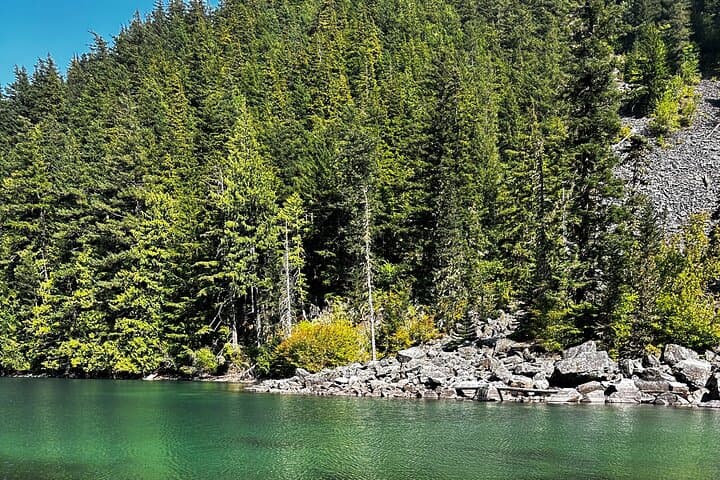
Follows the shore of Baker Lake with tranquil views and opportunities for wildlife sightings.
Skyline Divide Trail
Provides expansive views along a ridgeline, perfect for photographers and avid hikers.
Park Butte Trail
Features a historic fire lookout and offers panoramic views of Mount Baker's south slopes.
Trailblazer Tips
Visit Artist Point for breathtaking sunset views over Mount Baker and the surrounding peaks.
Snow can persist on the trails until late summer, requiring appropriate gear and caution.
Permits are not required for day hikes, but overnight campers should practice Leave No Trace principles.
Bring crampons if attempting any glacier hikes, as conditions can be quite challenging.